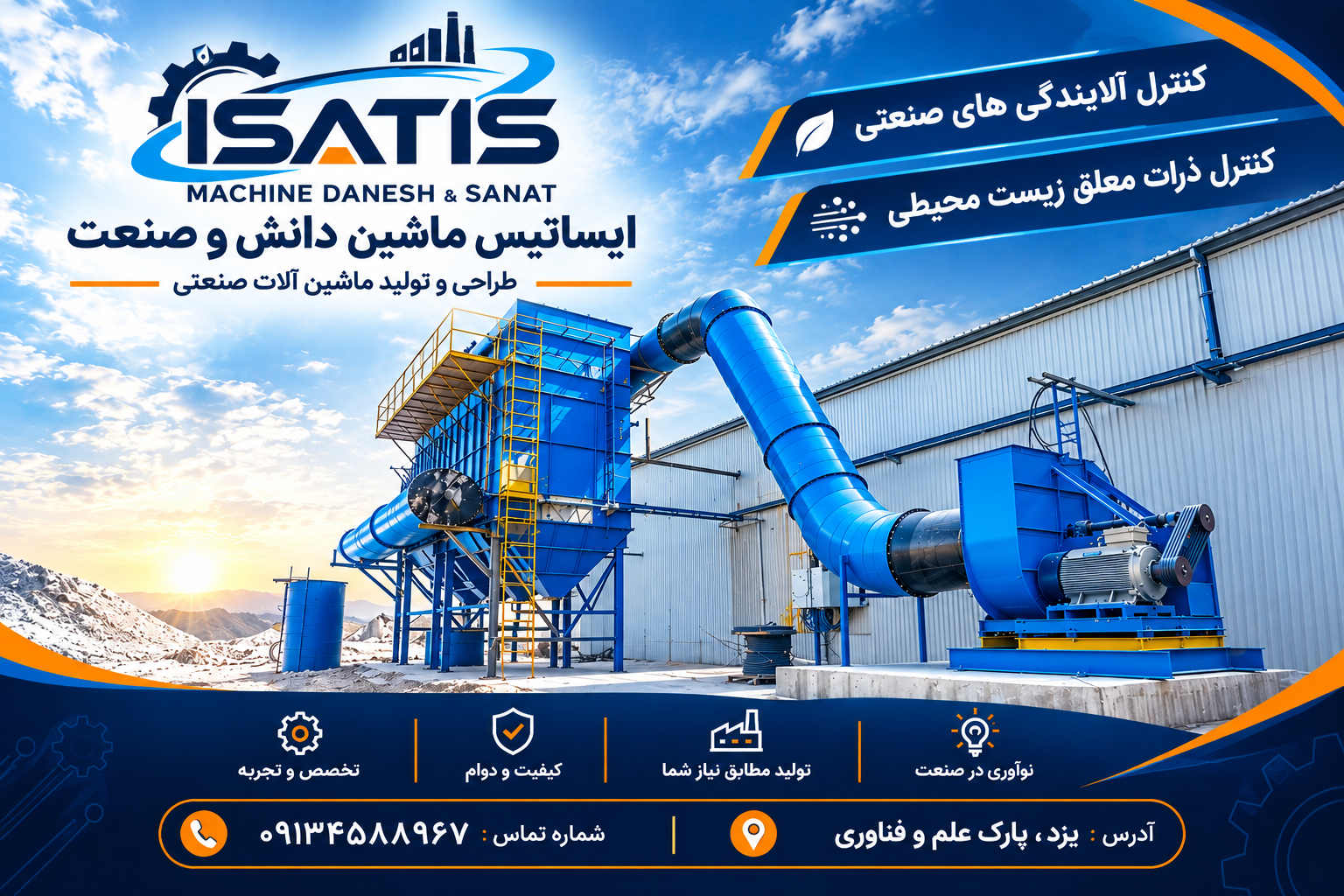
What is an industrial dust collector0?
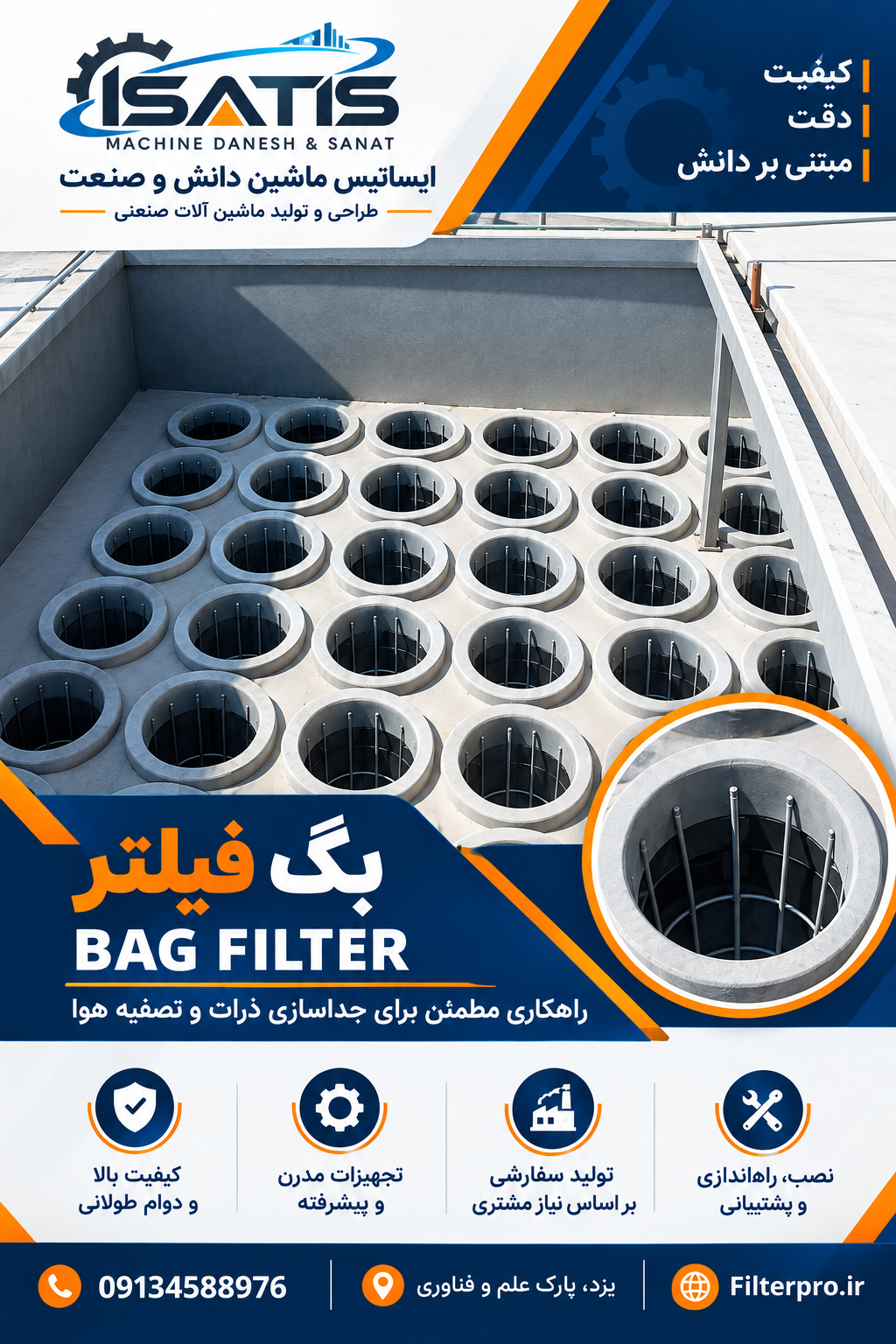
An industrial dust collector is a type of air pollution control device used to remove pollutants, thereby safeguarding worker health and ensuring the proper operation of factories and industrial or commercial processes. The design and construction of industrial dust collectors can vary depending on the specific industry. Operation of industrial dust collection systems.Bag filter As dust and airborne particles enter the filters, the system first captures and separates the material, then releases the purified air back into the environment. The fundamental objective of any industrial dust collector design is the same: filtering, separating, and capturing dust and suspended particles, and discharging clean air.
What are the purpose and benefits of using an industrial dust collector?
Use of the obtained and purified particles
Maintaining employee health
Prevention of environmental pollution
Improving equipment performance and increasing productivity levels
Preventing dust particles from entering the product, which enhances the quality of the manufactured goods.
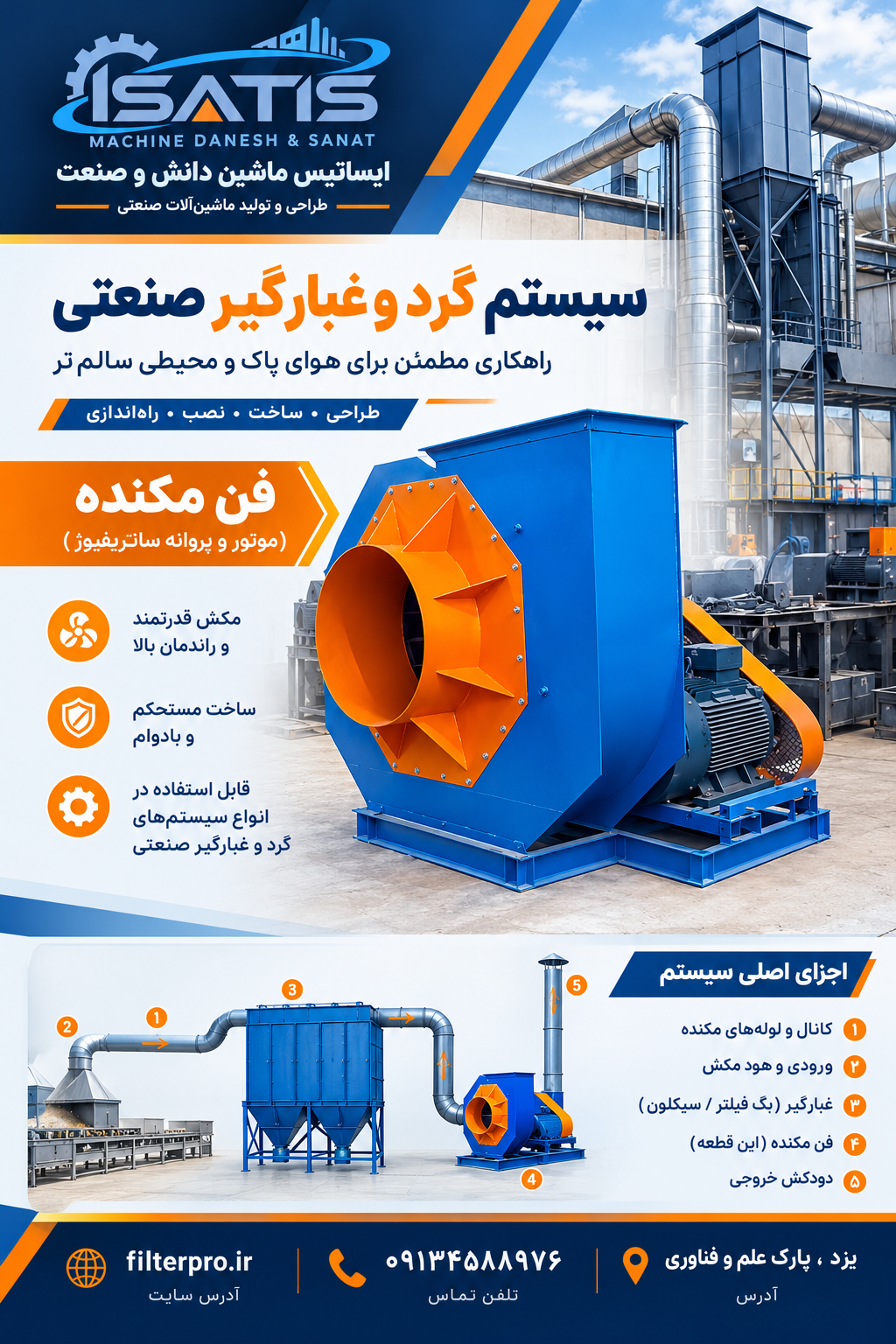
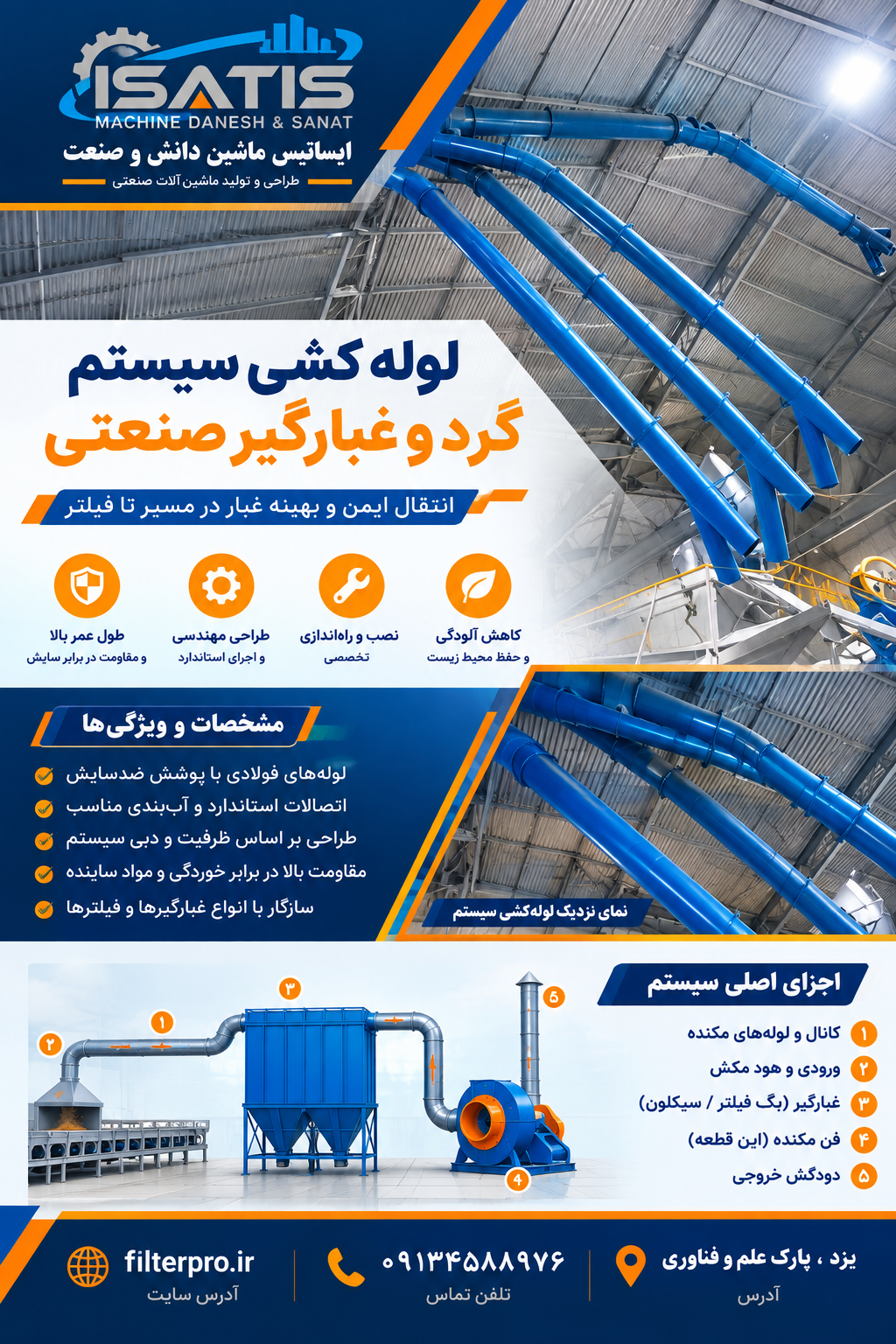
Main components of industrial dust collectors:
A duct system for containing dust-laden air as it moves through the system.
A filter for capturing dust
A blower for Air movement Through the system
Filter cleaning system and discharge mechanism for dust removal
A dust collection chamber for the temporary storage of dust.
Dust removal system
A control panel to automate every cleaning cycle.
How an industrial dust collector works
The contaminated air stream enters the industrial dust collector through the converging section; as the cross-sectional area decreases, the airflow velocity increases. The scrubbing liquid is sprayed either at the inlet of the converging section or at the Venturi throat. In the throat section, the high-pressure, high-velocity air drives the sprayed liquid toward the walls; the resulting high-speed interaction between the liquid and the air generates a vast number of fine liquid droplets that fill the entire interior of the Venturi. The higher the velocity of the air-liquid interaction, the finer the droplets become, ultimately leading to more effective particle capture. Essentially, the bulk of particle and gas removal in the throat section of Venturi dust collectors is achieved by a cloud of sprayed liquid. The airflow then enters the diverging section of the Venturi, where its velocity and pressure gradually decrease as it exits the collector. Particle removal efficiency in industrial dust collectors is higher than gas removal efficiency.